A cystoscopy uses a thin camera passed through the urethra to examine the bladder and urethra directly, diagnosing infections, stones and tumours. No GP referral needed.
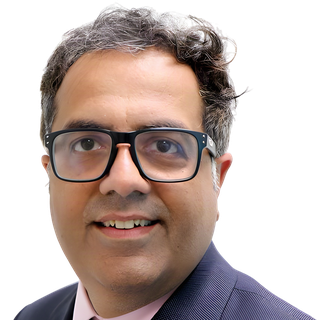 Performed personally by Mr Maneesh GheiConsultant Urological Surgeon · GMC 5208045
 Platinum Consultant
 142 verified reviews
A cystoscopy examines the inside of the bladder and urethra using a thin camera, usually taking around five minutes as a flexible outpatient procedure under local anaesthetic, or longer if a rigid cystoscopy is needed for treatment.
Including recurrent urinary tract infections, painful urination, or frequent urges to urinate.
Or unexplained pelvic pain that needs direct investigation.
Including bladder cancer - regular cystoscopies can monitor your condition or the effectiveness of previous treatment.
Done under local anaesthesia in an outpatient treatment room. Less invasive, and used purely to confirm a suspected diagnosis.
Performed under general or regional anaesthesia or sedation, as a day case. Can be used for treatment - such as removing small tumours or stones, or taking a biopsy.
Fees depend on whether a flexible or rigid cystoscopy is required. Every cost is set out and agreed before you decide anything.
Most patients are seen within a few days for an assessment with Mr Ghei.
A flexible or rigid cystoscope examines the bladder and urethra directly, with treatment possible in the same sitting if needed.
Your findings are explained in plain English, with any further treatment arranged promptly.
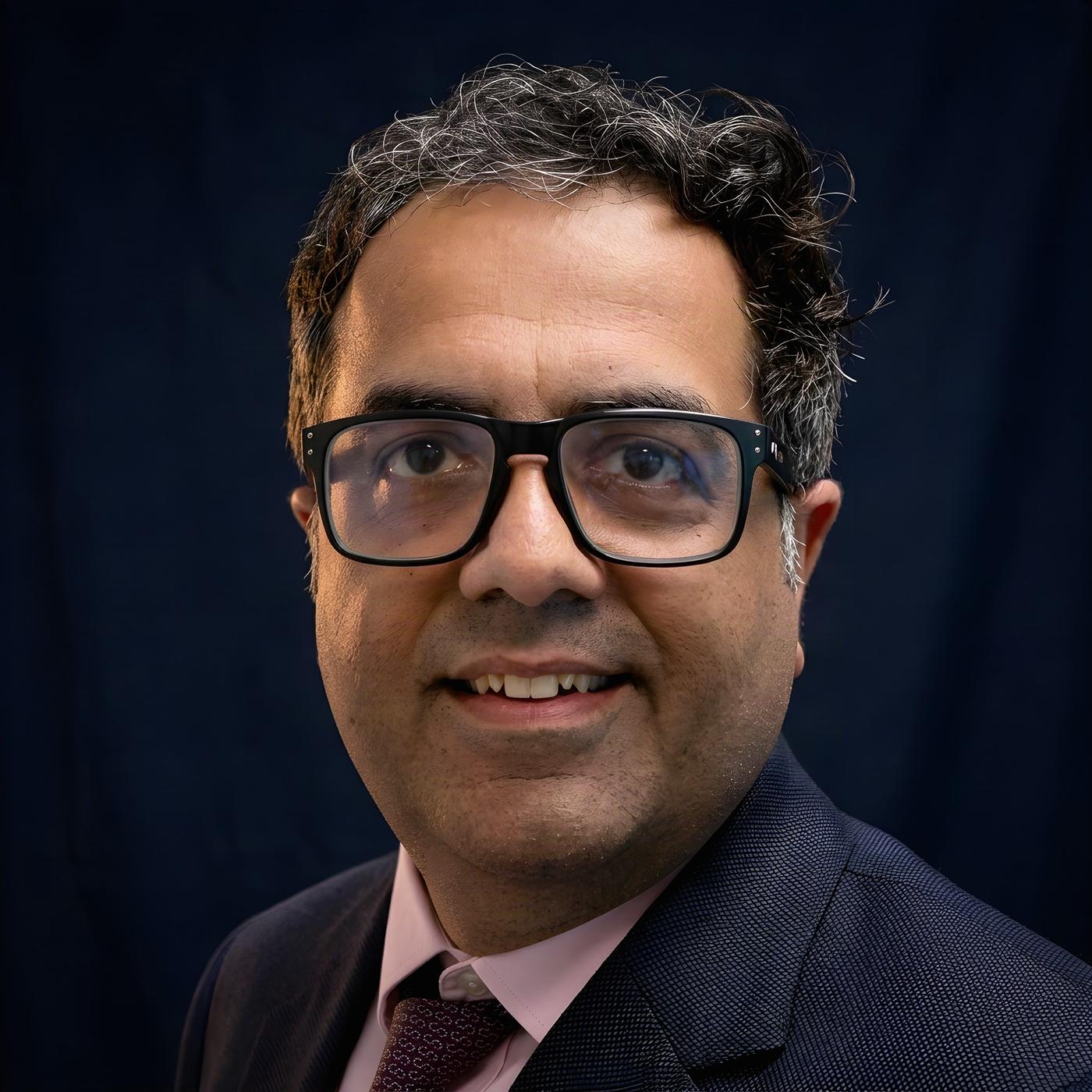
Mr Ghei is a consultant urological surgeon with a specialist focus on prostate diagnosis and treatment. He holds a Research MD from University College London and is a Fellow of the Royal College of Surgeons.
In his NHS role he is Cancer Lead and Academic Lead at Whittington Hospital London - one of a small number of consultant urologists in the UK to hold both positions. Every private patient is cared for by Mr Ghei personally, from first appointment through to any treatment that follows.
Platinum recognised consultant
English · Hindi · Punjabi · Urdu
Book an appointment or get in touch.